
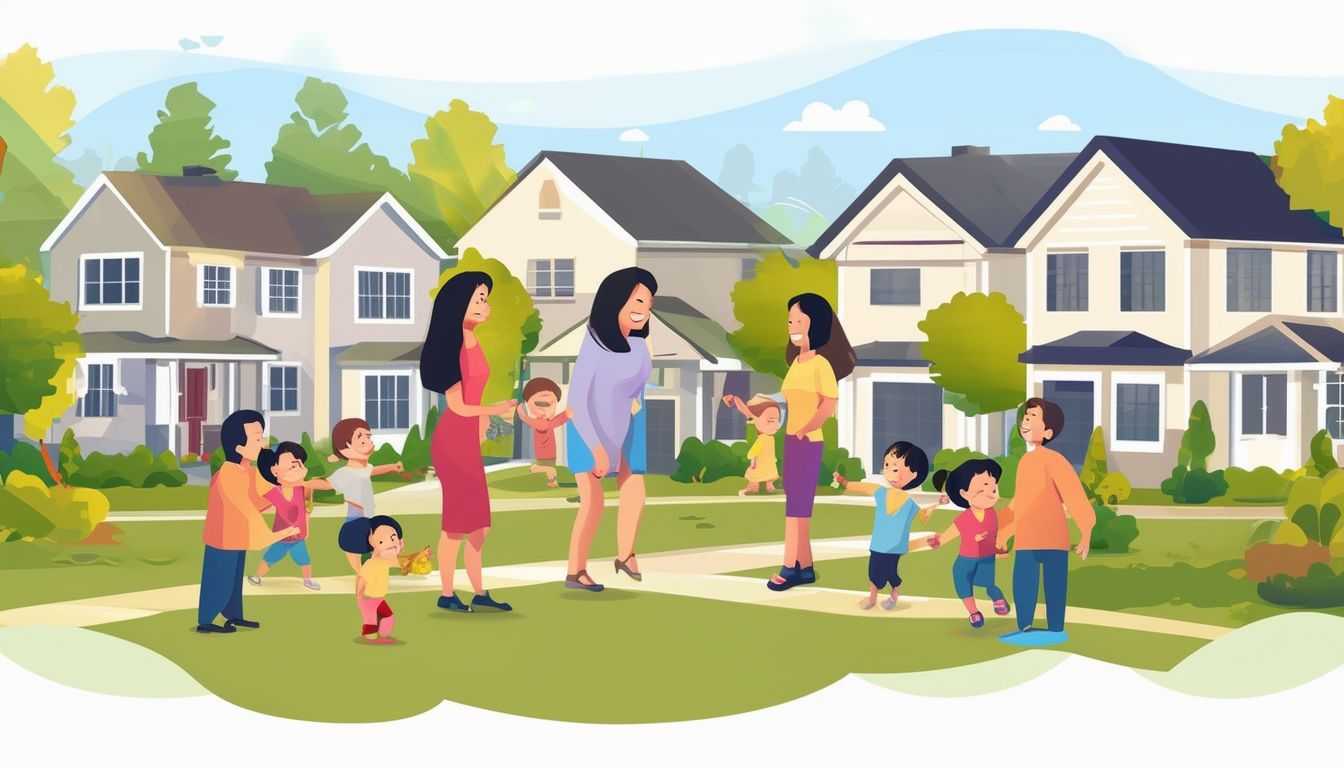
Effective conflict resolution is essential for maintaining harmony and enhancing the quality of life in residential communities.
 Understanding the Common Causes of Conflicts in Residential Communities
Conflicts in residential communities are often the result of misunderstandings, differing lifestyles, and miscommunication. Noise complaints, disputes over shared spaces, and disagreements about community rules are common triggers. These conflicts, if not addressed promptly, can escalate and disrupt the peaceful living environment.
It's important to recognize the underlying causes, such as cultural differences, varying expectations, and personal stressors, that contribute to these conflicts. By identifying these factors, community managers and residents can take proactive steps to prevent disputes from arising.
The Role of Professional Conflict Resolution Services
Professional conflict resolution services play a crucial role in maintaining harmony in residential communities. These services provide unbiased mediation and facilitate open communication between conflicting parties. Trained professionals bring a structured approach to resolving disagreements, ensuring that all voices are heard and respected.
By utilizing conflict resolution services, communities can address issues more efficiently and effectively. This not only resolves the immediate conflict but also helps in building a stronger, more cohesive community in the long run.
Key Strategies for Effective Conflict Resolution
Effective conflict resolution begins with clear communication. Establishing open channels for residents to voice their concerns and providing a platform for discussion can mitigate many potential conflicts. Encouraging active listening and empathy among residents also fosters a more understanding and cooperative community.
Another key strategy is setting up clear guidelines and policies for conflict resolution. This includes having a step-by-step process that residents can follow when a dispute arises. Training community leaders and residents in conflict resolution techniques can also empower them to handle disagreements constructively.
Benefits of Implementing Conflict Resolution Services
Implementing conflict resolution services brings numerous benefits to residential communities. It helps in maintaining a peaceful living environment, which is crucial for the well-being and satisfaction of residents. Effective conflict resolution also reduces the likelihood of disputes escalating into more serious issues that could require legal intervention.
Furthermore, these services promote a sense of community and cooperation among residents. By resolving conflicts in a fair and respectful manner, trust is built, and relationships are strengthened. This leads to a more cohesive and supportive community, where residents feel valued and heard.
How to Choose the Right Conflict Resolution Service Provider
Selecting the right conflict resolution service provider is essential for effective dispute management. Start by looking for providers with a proven track record and positive testimonials from other residential communities. Ensure that the professionals are certified and experienced in handling community disputes.
Additionally, consider the provider's approach to conflict resolution. They should offer personalized services tailored to the specific needs of your community. Transparency, confidentiality, and a commitment to impartiality are also key qualities to look for in a service provider. By choosing the right partner, you can ensure that your community’s conflicts are handled efficiently and respectfully.